
Every wedding tells a story. But when two cultures, two families and different traditions come together, that story becomes something truly special.
Multicultural weddings are filled with meaningful rituals, beautiful attire, heartfelt family moments and celebrations that bring generations together. From a traditional ceremony to a contemporary reception, every part of the day offers an opportunity to create photographs that are personal, elegant and timeless.
The key is to look beyond the obvious moments. It is not simply about photographing the ceremony or capturing the grandeur of the venue. It is about understanding what makes the celebration unique, recognising the emotions behind the traditions and preserving the connections that make the day unforgettable.
Here are our essential tips for capturing multicultural weddings with authenticity, sensitivity and a timeless editorial approach.
1. Understand the Traditions Before the Wedding Day
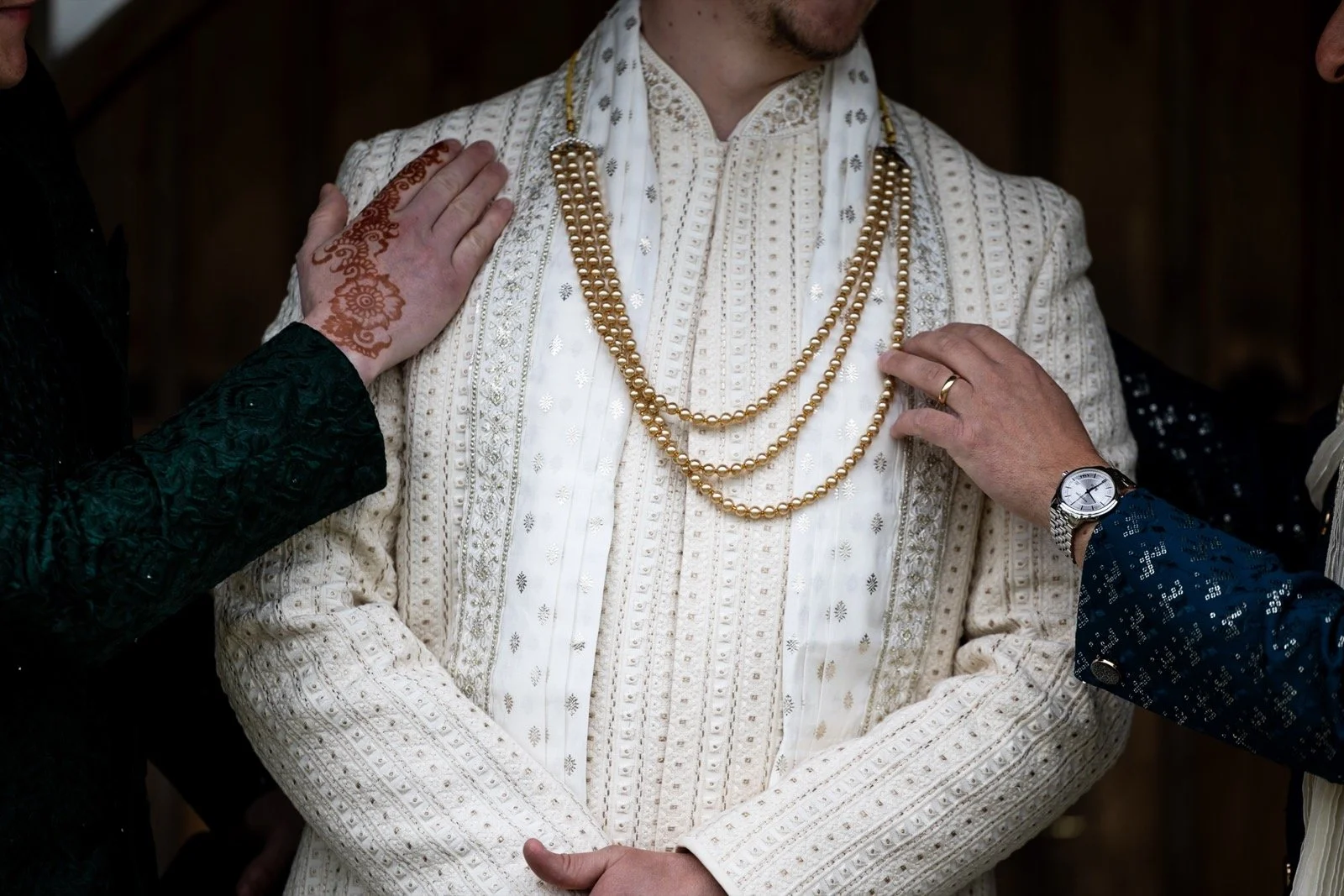
Every culture has its own customs, symbolism and meaningful moments. Some traditions may be familiar, while others may be completely new to you as a photographer.
Take time to speak with the couple and their families before the wedding. Understand the ceremonies taking place, the significance of particular rituals and the people who play an important role throughout the celebrations.
Whether you are photographing a Hindu wedding, a Sikh Anand Karaj, a Christian ceremony, a Muslim Nikah or a celebration that brings together several cultural traditions, preparation allows you to anticipate important moments without interrupting them.
Ask questions. Listen carefully. Make notes.
Most importantly, never assume that every family follows the same customs, even within the same cultural or religious community.
The best wedding photographs often come from understanding the meaning behind the moment before it happens.
2. Capture the Emotion Behind the Rituals
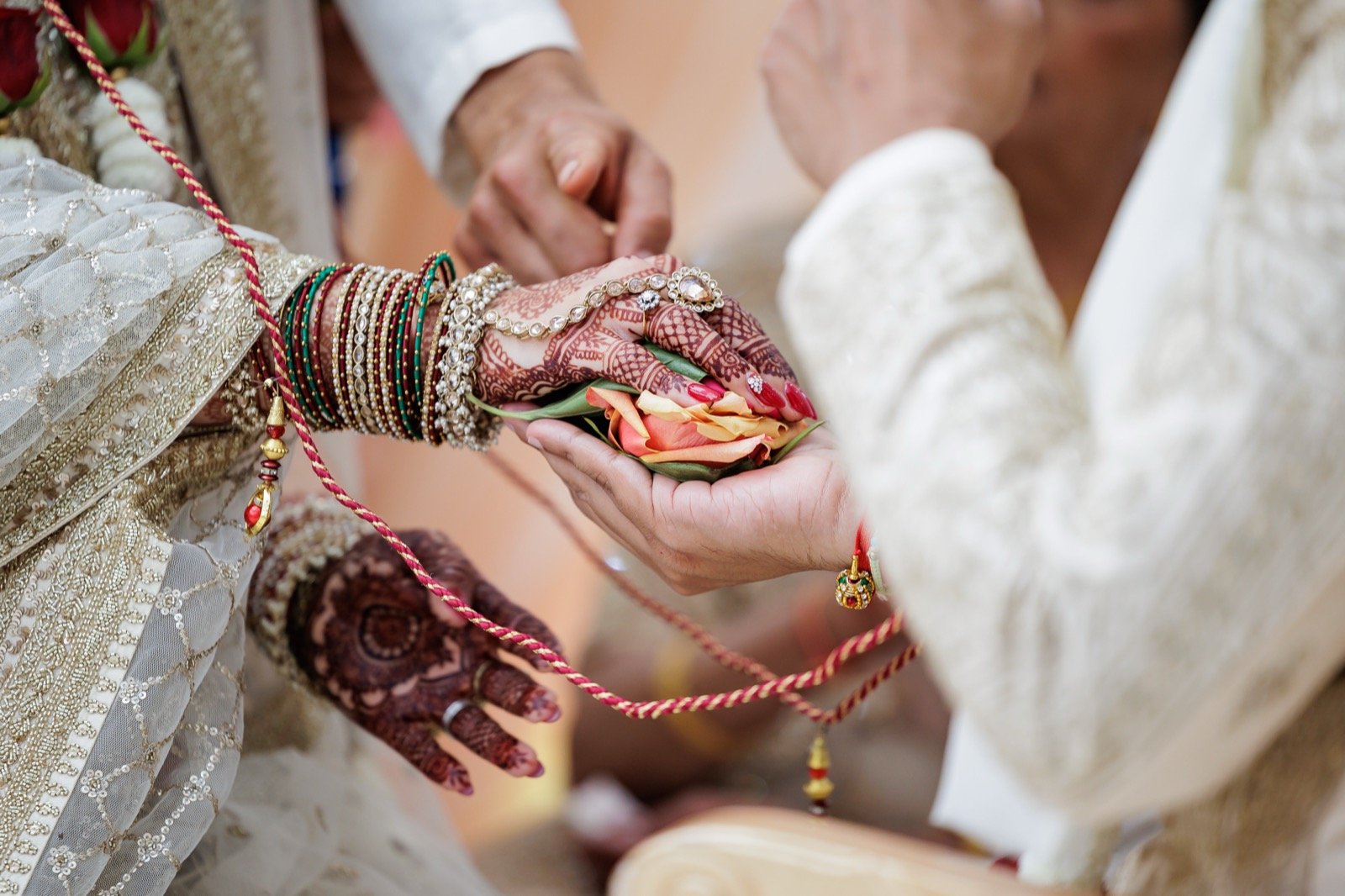
The ceremony is important, but the emotions surrounding it are equally powerful.
A parent adjusting a bridal necklace. A grandparent watching quietly from their seat. A couple exchanging a knowing glance during a sacred ritual. These are the moments that give a wedding gallery its heart.
During traditional ceremonies, work discreetly and anticipate rather than interrupt. Learn where you can stand, when movement is appropriate and which moments must be photographed from a respectful distance.
A documentary approach allows genuine emotion to unfold naturally, creating images that feel honest rather than staged.
Years from now, these photographs will mean far more than a record of what happened. They will bring back the feeling of being there.
3. Tell Both Families' Stories
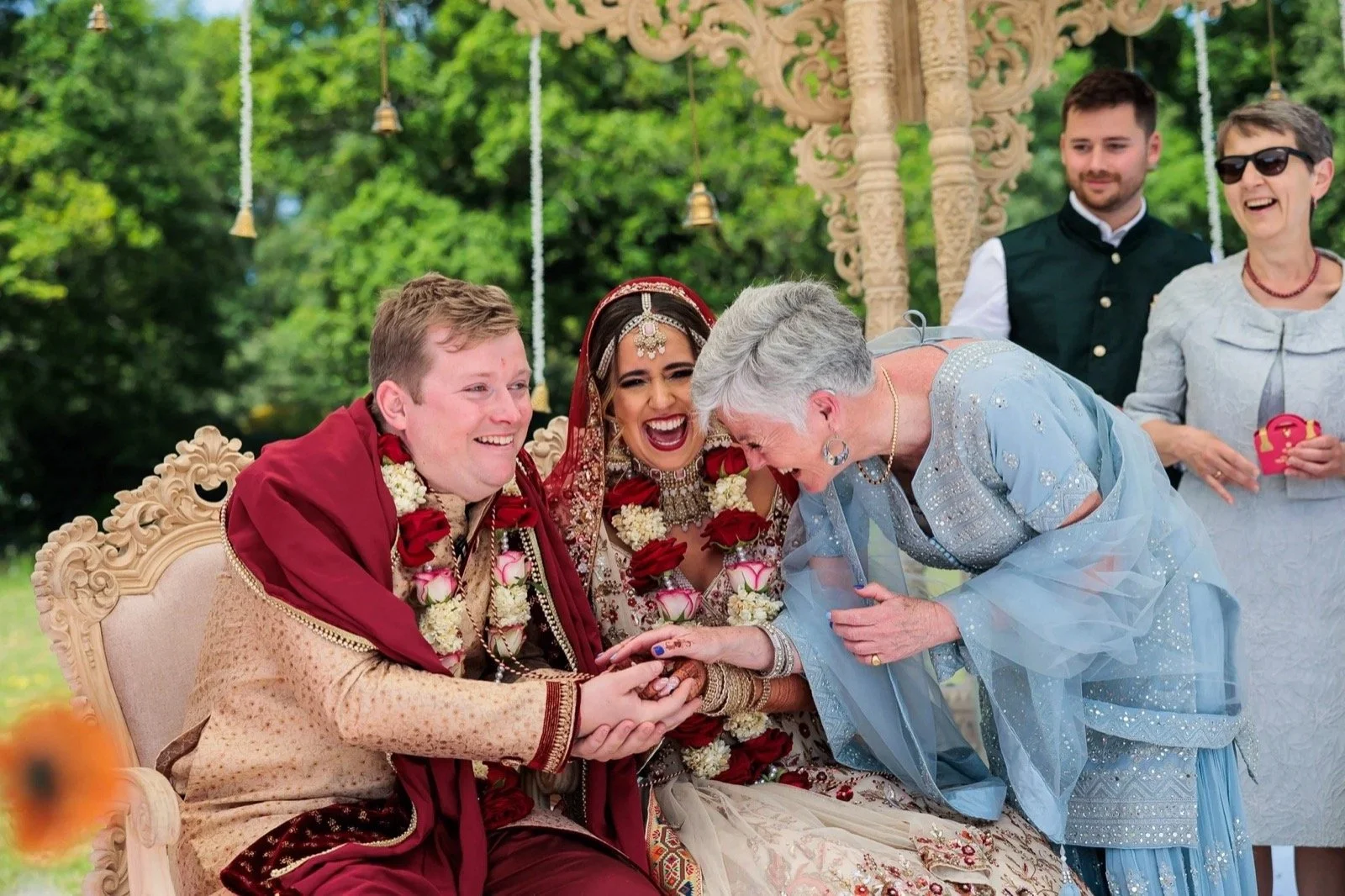
One of the most beautiful aspects of a multicultural wedding is watching two families become part of one shared celebration.
Make a conscious effort to photograph both sides of the family with equal care. Look for the relationships, conversations and interactions that might otherwise be overlooked.
Capture the proud expressions of parents, the excitement of siblings, the laughter between cousins and the quiet moments shared by older generations.
Consider how different family members experience the day. One family might be familiar with the ceremony, while the other is discovering its traditions for the first time. Their reactions can create a compelling part of the story.
Prepare a family photo list with the couple beforehand, particularly when there are large extended families or several important gatherings.
The aim is not simply to photograph everyone who attended. It is to preserve the people who made the celebration meaningful.
4. Embrace the Beauty of Traditional and Contemporary Attire
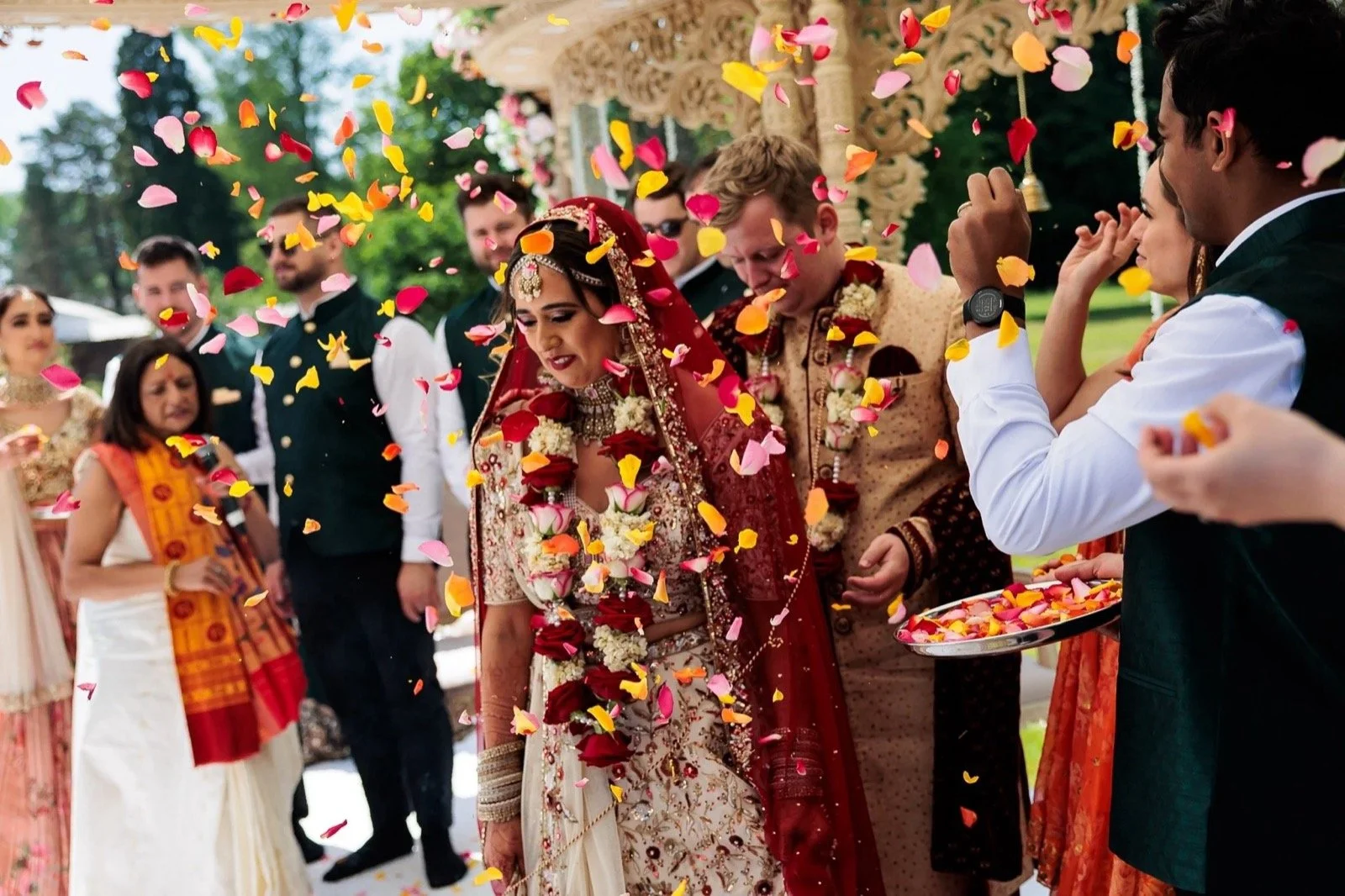
Multicultural weddings often feature a wonderful variety of clothing, jewellery, accessories and ceremonial details.
From richly embroidered lehengas and elegant saris to sherwanis, turbans, traditional jewellery, contemporary bridal gowns and tailored suits, each outfit deserves thoughtful attention.
Look beyond a straightforward full-length portrait. Photograph the intricate details, the movement of the fabric, the way the light catches the jewellery and the small gestures involved in getting ready.
Use soft window light where possible, and pay attention to how colours interact with the surroundings.
During portraits, consider clean backgrounds, elegant architectural lines and natural compositions that allow the clothing to stand out without overwhelming the couple.
A carefully composed portrait can feel like an editorial photograph while remaining deeply personal.
5. Work With Colour, Light and Atmosphere
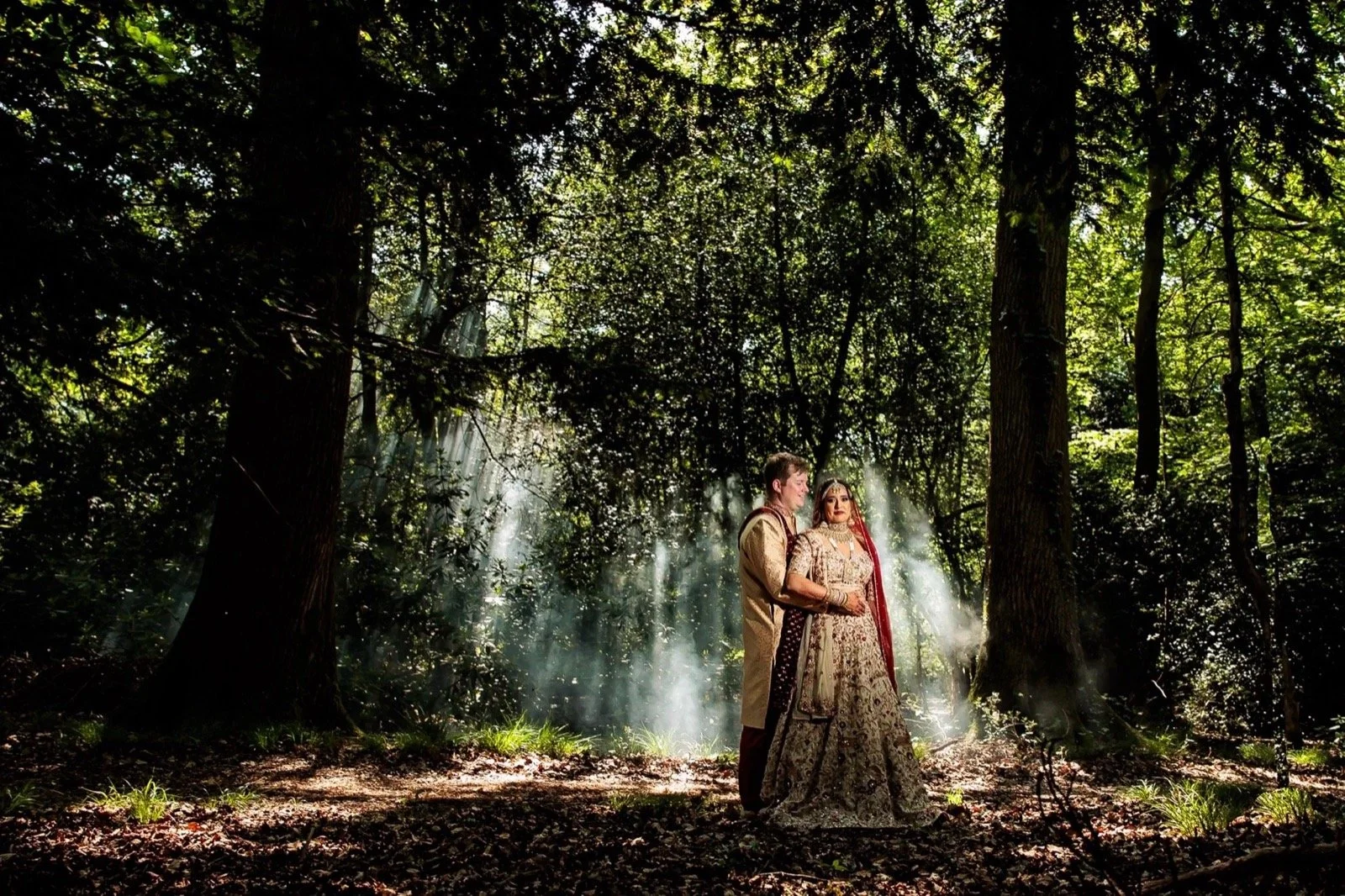
Colour is often an important part of a multicultural celebration. Flowers, ceremonial fabrics, decorative installations, candles and lighting can all contribute to the atmosphere of the day.
The challenge is to photograph these elements beautifully without losing the natural appearance of the scene.
Look for soft directional light during preparations and portraits. During ceremonies, expose carefully for important details and skin tones, particularly when working with strong contrasts between bright clothing, dark suits and dramatic surroundings.
At the reception, embrace the atmosphere rather than trying to eliminate it. Colourful stage lighting, candles and dance-floor lights can all become part of the visual story.
A timeless approach does not mean removing colour or making every image look the same. It means editing with consistency while allowing each wedding's character to shine through.
6. Plan for Multiple Ceremonies and Locations
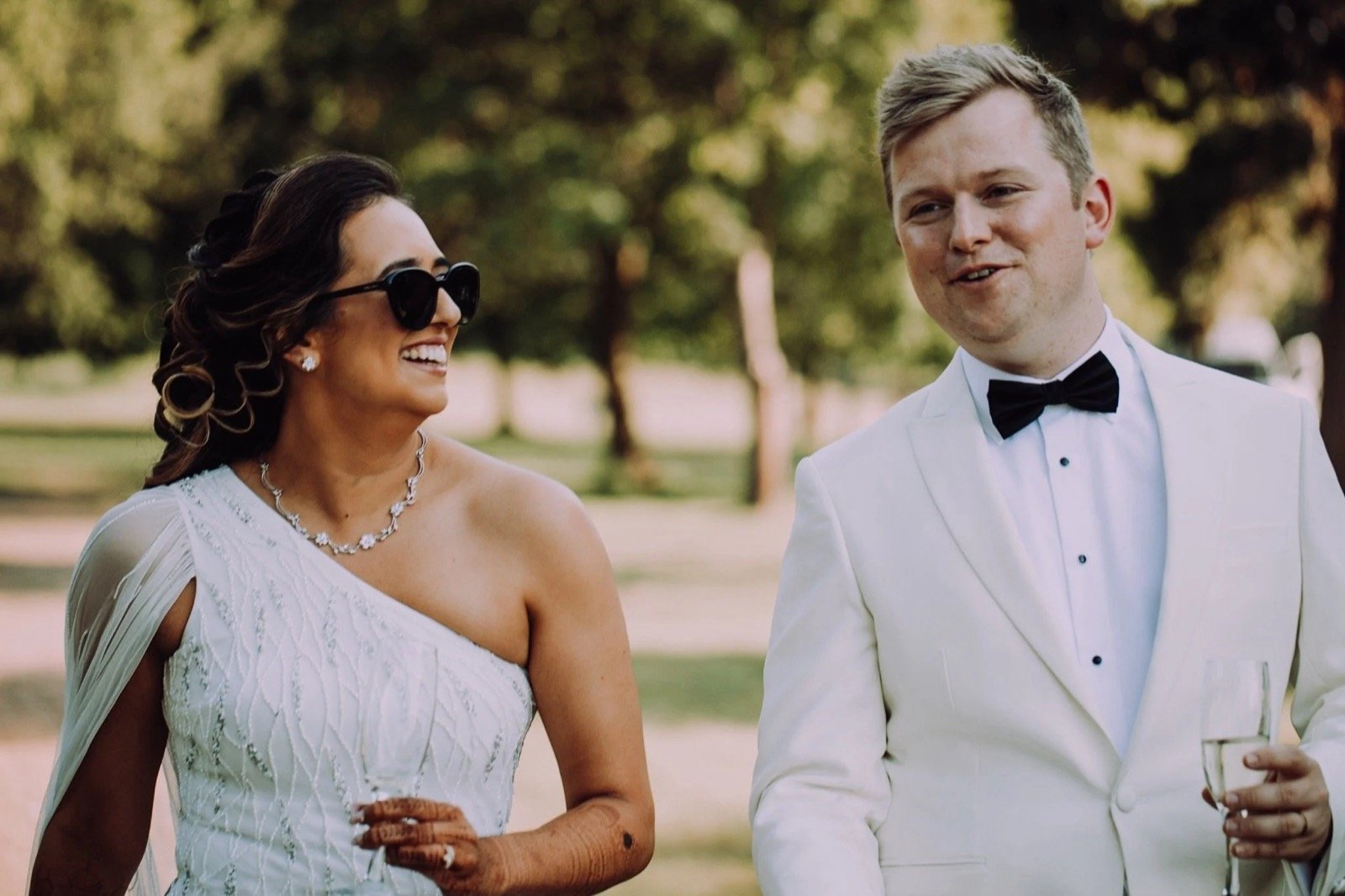
Multicultural celebrations can span several days, venues and ceremonies. A wedding might include pre-wedding gatherings, a traditional religious ceremony, a civil service and a large evening reception.
Create a detailed timeline with the couple and wedding planner. Identify travel times, ceremony start times, preparation locations and any moments that cannot be repeated.
For larger celebrations, consider working with a second photographer. While one photographer documents the main ceremony, another can capture guest reactions, preparations or parallel events, provided the arrangements respect the ceremony's requirements.
Build in time for portraits without making the couple feel that they are missing their own celebration.
Good planning gives you the freedom to be creative when it matters most.
7. Photograph the Details That Tell a Bigger Story
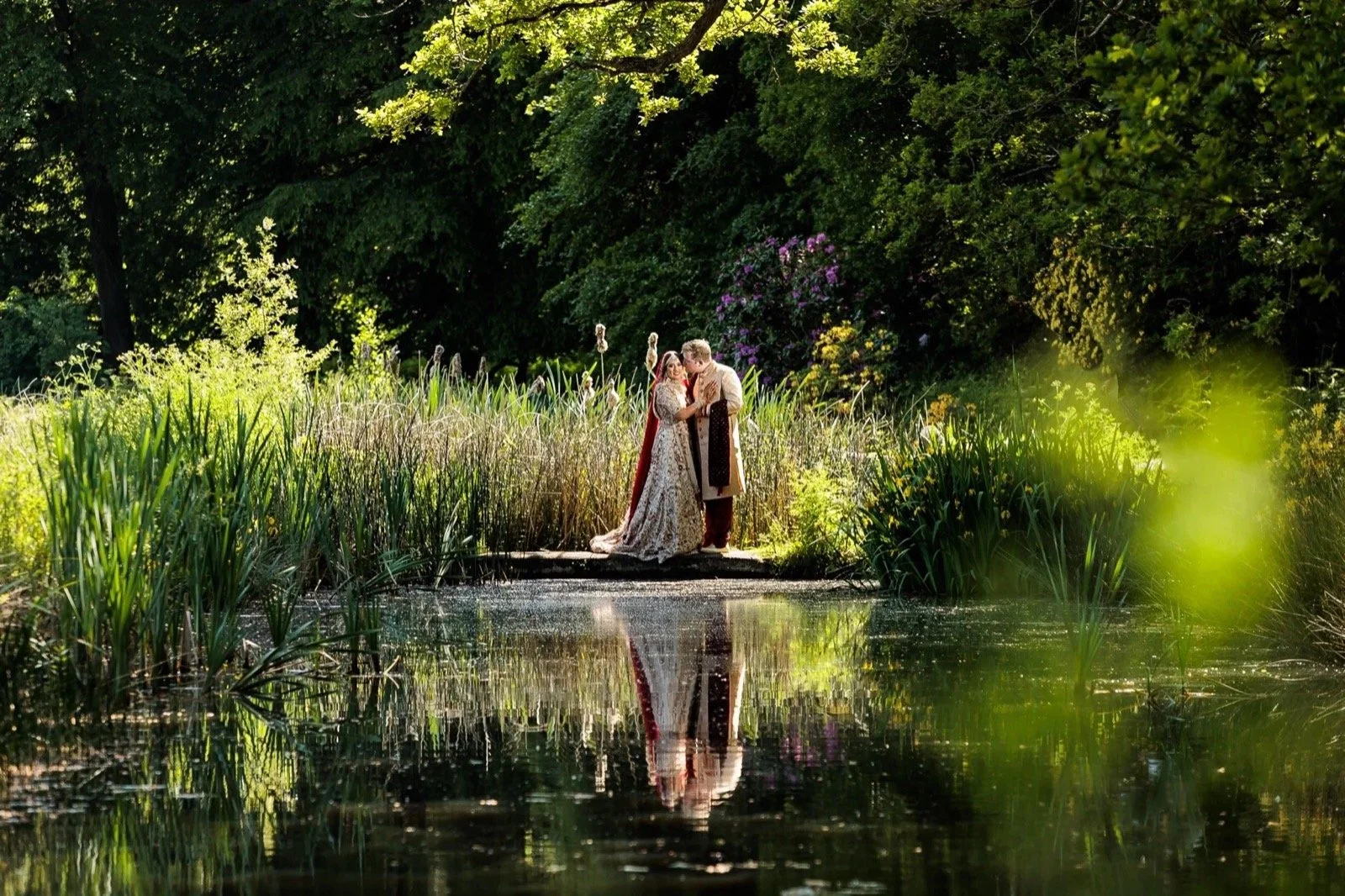
The smallest details can carry enormous meaning.
A family heirloom. A ceremonial offering. Wedding invitations printed in two languages. Personalised decorations that reflect both cultures. A family member helping the couple prepare for a ritual.
These details connect individual photographs and help tell a fuller story of the wedding.
Photograph them with intention. Use clean compositions, considered framing and light that reveals texture and shape.
Then look for opportunities to connect those details with people. An image of an important object becomes even more meaningful when accompanied by a photograph of the person who brought it into the celebration.
Together, these images preserve not just the appearance of the wedding, but the personal history behind it.
8. Find the Balance Between Candid Photography and Elegant Portraits
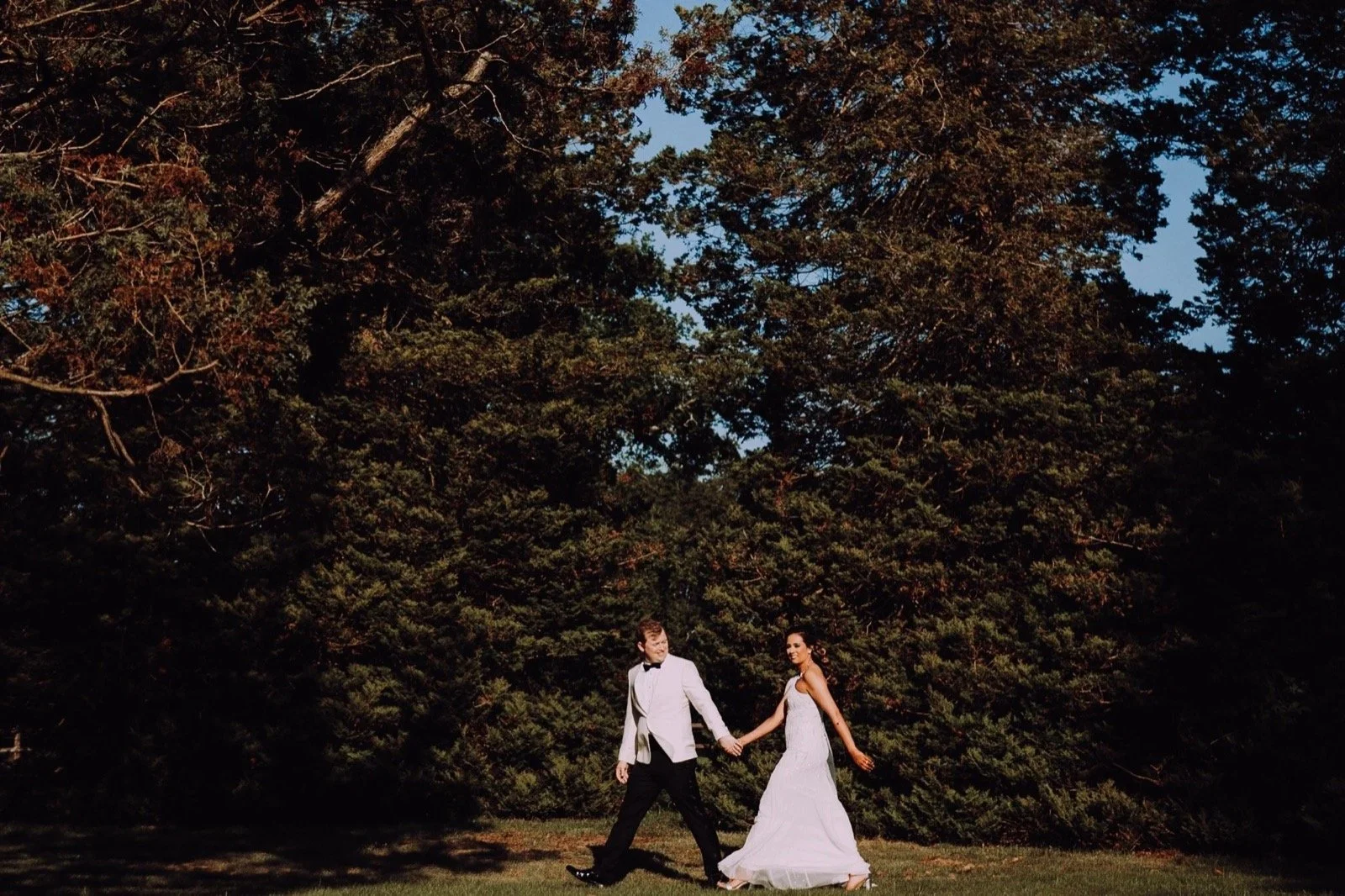
A beautiful wedding gallery needs both spontaneity and considered composition.
Candid photographs capture the moments that happen naturally: laughter during the speeches, emotional embraces, guests greeting relatives and the energy of a packed dance floor.
Editorial portraits offer something different. They allow the couple to pause, spend a little time together and create photographs that feel refined and intentional.
Make use of the venue's architecture, gardens, staircases, windows and natural light. Keep your direction simple and allow the couple to interact rather than relying entirely on rigid poses.
A quiet moment together can be just as powerful as a dramatic portrait beneath an impressive architectural feature.
The goal is to create a collection that feels varied but cohesive, combining real emotion with timeless artistry.
9. Respect Cultural and Religious Boundaries
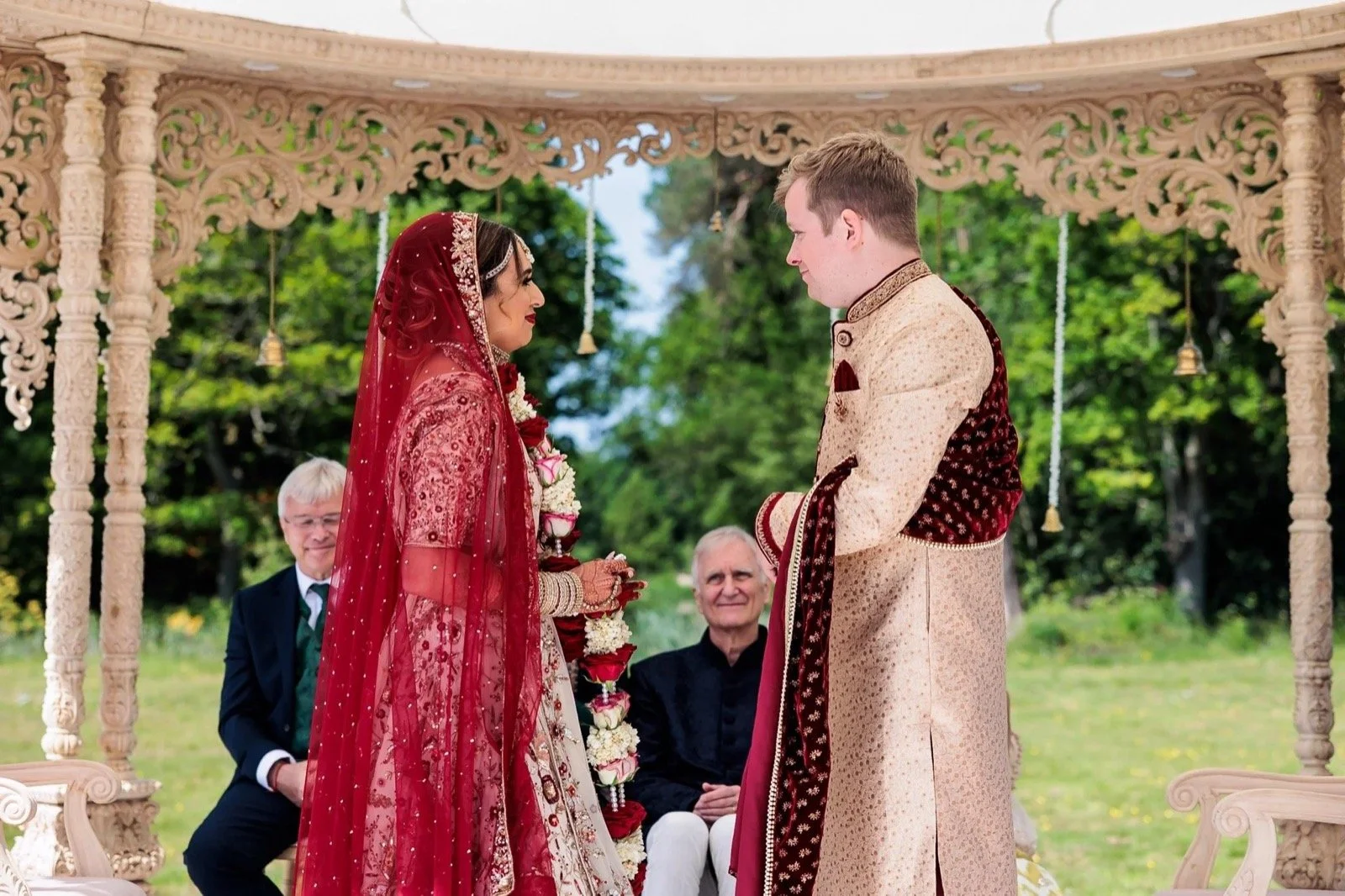
Respect should guide every decision you make as a wedding photographer.
Some ceremonies have restrictions on movement, flash photography, physical contact or where photographers may stand. Certain moments may also have specific rules concerning who can participate or observe.
Speak with the couple, officiant and venue team in advance to understand what is appropriate.
Dress suitably, remain unobtrusive and avoid interrupting significant moments to obtain a photograph.
If you are unfamiliar with a tradition, ask respectfully rather than guessing.
Being prepared and culturally sensitive builds trust with the couple and their families. It also allows you to work confidently while preserving the integrity of the celebration.
10. Capture the Celebrations as They Unfold
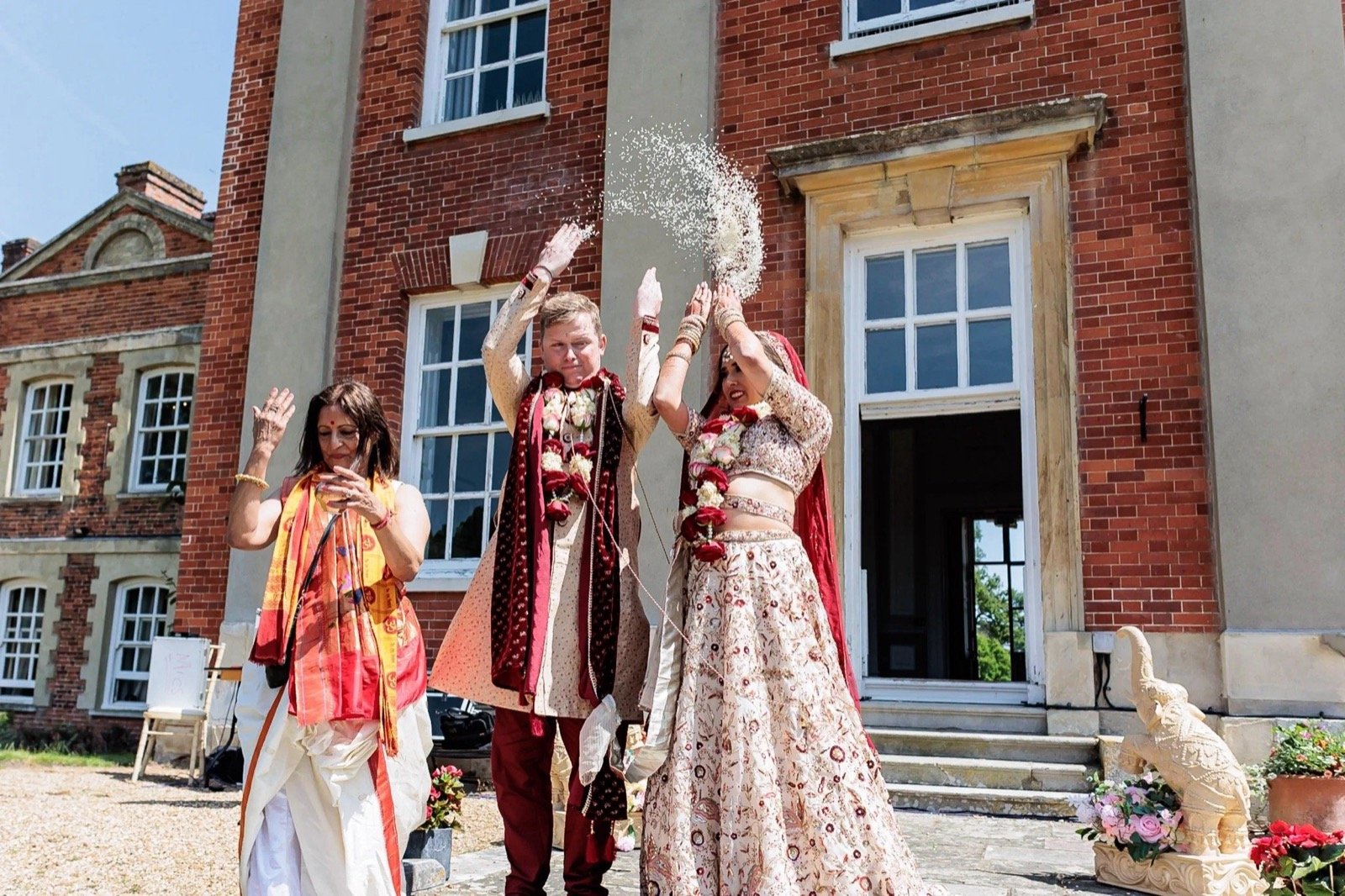
The energy of a multicultural wedding can change dramatically throughout the day.
A quiet morning of preparations may lead into a deeply meaningful ceremony, followed by a lively reception filled with music, dancing and celebration.
Stay alert to those transitions.
Photograph the anticipation before an entrance, the reaction as the couple appears, the embrace after a ceremony and the spontaneous celebrations that follow.
During dancing, vary your approach. Wide photographs can reveal the atmosphere of a crowded dance floor, while closer frames capture individual expressions and connections.
Do not concentrate exclusively on the couple. Guests often create some of the most joyful and memorable photographs of the entire day.
11. Choose a Photographer Who Understands Your Vision
Multicultural wedding photography requires more than technical skill. It calls for preparation, cultural awareness, adaptability and the ability to recognise meaningful moments as they happen.
When choosing your photographer, look through complete wedding galleries rather than a handful of highlight images. Consider how they photograph ceremonies, family relationships, portraits, details and evening celebrations.
Ask about their experience with your particular traditions, their approach to family photographs and how they handle multiple locations or overlapping events.
Most importantly, choose someone who takes the time to understand you.
Your wedding should not feel like a template applied to every couple. It should feel like your own story, photographed with care and attention to the things that matter most to you.
12. Remember That the Photographs Are Your Legacy
Your wedding day will pass more quickly than you imagine.
The flowers will eventually fade. The music will stop. Your guests will return home, and the celebrations will become memories.
But your photographs will remain.
They will remind you of the people who stood beside you, the traditions you honoured, the family members who travelled to celebrate with you and the emotions you experienced throughout the day.
For a multicultural wedding, those photographs can become especially meaningful. They preserve the traditions of different families and give future generations a way to understand where their story began.
That is why wedding photography should always be about more than beautiful images. It should be about creating a lasting record of the people, culture and love that brought everyone together.
Two Cultures. One Celebration. A Lifetime of Memories.
Every multicultural wedding is different. Every family brings its own traditions, and every couple has a story worth telling.
The most meaningful photographs come from taking the time to understand that story, recognising the moments that matter and capturing them with authenticity and care.
From the significance of the ceremony to the emotion of family gatherings, the elegance of the portraits and the joy of the celebrations, every image has a place in the bigger picture.
Your culture. Your traditions. Your love story. Beautifully preserved, for generations to come.
